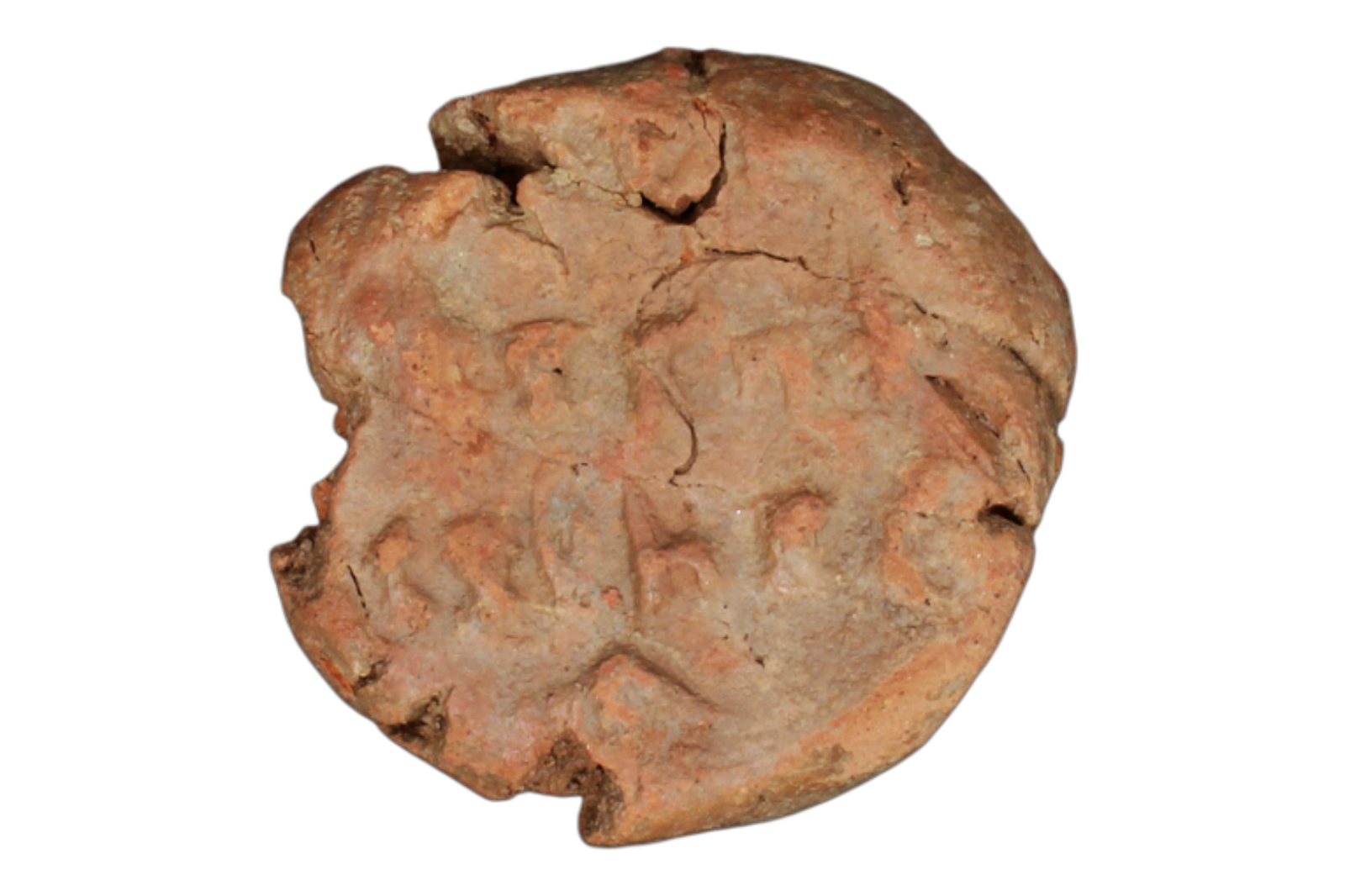
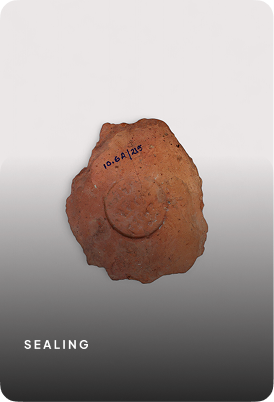
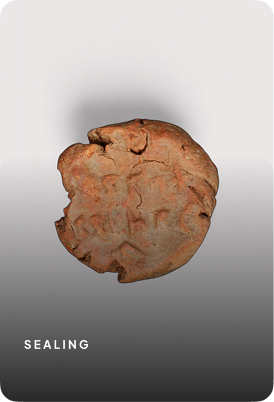
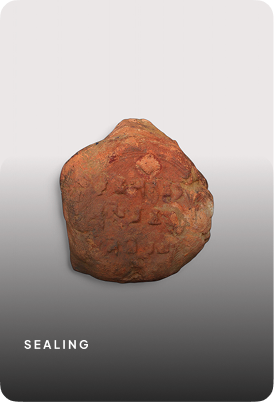
The terracotta sealings discovered at Piprahwa, primarily during the extensive excavations led by K. M. Srivastava (1971–1977), represent one of the most significant epigraphic finds for establishing the site’s identity as ancient Kapilavastu, the home of the Buddha. These artifacts are characteristically terracotta bear crucial inscriptions in the Brahmi script, which, based on paleography, are securely dated to the Kushana period (c. 1st–3rd Century CE). The most defining feature is the recurring legend, such as “Om Devaputra Vihāre Kapilavastu Bhikshu-Saṅghasya” (meaning, of the monk community of Kapilavastu). This explicit reference provided the essential epigraphic evidence to link the physical site to its historical name, correcting earlier scholarly debates.